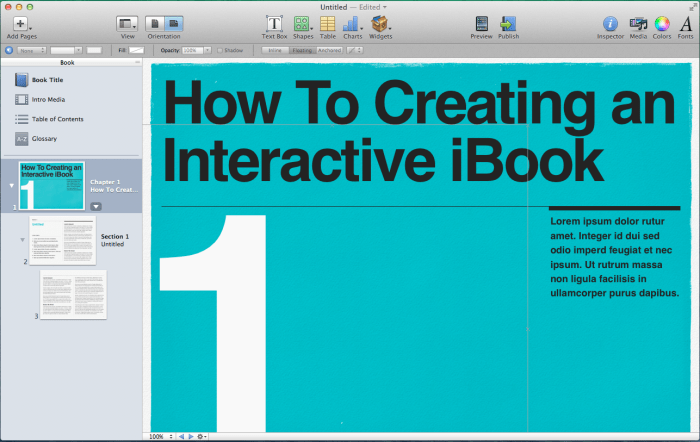
Embark on a digital journey with ‘How to create an e-book’, where words come alive and stories unfold in the realm of digital publishing. Get ready to unleash your creativity and share your unique voice with the world!
Discover the secrets of planning, writing, designing, and publishing e-books that captivate readers and leave a lasting impression.
Introduction to E-Books
E-books, short for electronic books, are digital versions of traditional printed books that can be read on electronic devices such as e-readers, tablets, smartphones, or computers. In the digital age, e-books have become increasingly popular due to their convenience, portability, and accessibility.E-books have revolutionized the publishing industry by making it easier for authors to self-publish their work and reach a wider audience without the need for a traditional publishing house.
This has democratized the publishing process and allowed more voices to be heard in the literary world.
Significance of E-Books
E-books offer several benefits over traditional printed books. Some of these advantages include:
- Portability: E-books allow readers to carry an entire library with them on a single device, making it convenient to read on the go.
- Accessibility: E-books can be purchased and downloaded instantly, eliminating the need to visit a physical bookstore.
- Customization: Readers can adjust font size, background color, and other settings to personalize their reading experience.
- Environmentally friendly: E-books reduce paper consumption and carbon footprint associated with printing and shipping physical books.
- Cost-effective: E-books are often cheaper than printed books, making reading more affordable for book lovers.
Planning Your E-Book
When creating an e-book, it is crucial to plan ahead to ensure the success of your project. This stage involves identifying your target audience, choosing a topic that interests you or that you are knowledgeable about, and outlining the content of your e-book.Identify your target audience for the e-book:Understanding who your audience is will help you tailor your e-book to meet their needs and interests.
Consider demographics such as age, gender, occupation, and interests. This will guide you in creating content that resonates with your target readers.Discuss the importance of choosing a topic of interest or expertise:Choosing a topic that you are passionate about or have expertise in will make the writing process more enjoyable and authentic. Your enthusiasm for the subject will shine through in your writing, making it more engaging for your readers.Share tips on conducting research and outlining the e-book content:
- Conduct thorough research on your chosen topic to gather relevant information and data.
- Create an Artikel to organize your thoughts and structure the content of your e-book. This will help you stay focused and ensure a logical flow of information.
- Break down the content into chapters or sections to make it easier for readers to navigate and digest the information.
- Consider including visual aids such as images, charts, or graphs to enhance the readability of your e-book.
Creating an Engaging Introduction
To capture your readers’ attention from the start, craft an introduction that is compelling and sets the tone for the rest of the e-book. Start with a hook to draw readers in and provide a brief overview of what they can expect to learn from the e-book. Remember to keep it concise and engaging to pique the curiosity of your audience.
Writing Your E-Book
Creating a well-structured e-book is essential to keep your readers engaged and make the content easy to follow. Here are some tips to help you in the writing process:
Structuring Your E-Book
When structuring your e-book, consider breaking it down into chapters or sections to organize the content effectively. Each chapter should focus on a specific topic or related to your overall theme. This will help readers navigate through the e-book easily and find the information they are looking for.
- Start with an introduction that sets the stage for what readers can expect in the e-book.
- Divide the content into chapters or sections, each addressing a different aspect of the main topic.
- Include subheadings within chapters to break down the content further and make it more digestible.
- End with a conclusion that summarizes the key points discussed in the e-book.
By structuring your e-book in a logical and organized manner, you can provide a better reading experience for your audience.
Writing Process and Content Tips
When writing your e-book, it’s important to keep your content engaging and informative. Here are some tips to help you create compelling content:
- Research your topic thoroughly to ensure the information you provide is accurate and up-to-date.
- Use a conversational tone to connect with your readers and make the content more relatable.
- Incorporate real-life examples, case studies, or anecdotes to illustrate key points and make the content more engaging.
- Include visuals such as images, charts, or graphs to enhance the visual appeal of your e-book.
Remember to keep your content concise and to the point, avoiding unnecessary jargon or complex language that may confuse your readers.
Maintaining Consistent Tone and Style
To ensure a cohesive reading experience, it’s important to maintain a consistent tone and style throughout your e-book. Consider the following tips:
- Define your target audience and tailor your writing style to resonate with them.
- Use the same voice and tone throughout the e-book to create a cohesive narrative.
- Avoid switching between formal and informal language, as this can disrupt the flow of the content.
- Proofread and edit your e-book to eliminate any inconsistencies in tone or style.
Consistency in tone and style will help establish your brand voice and make your e-book more memorable to readers.
Design and Formatting
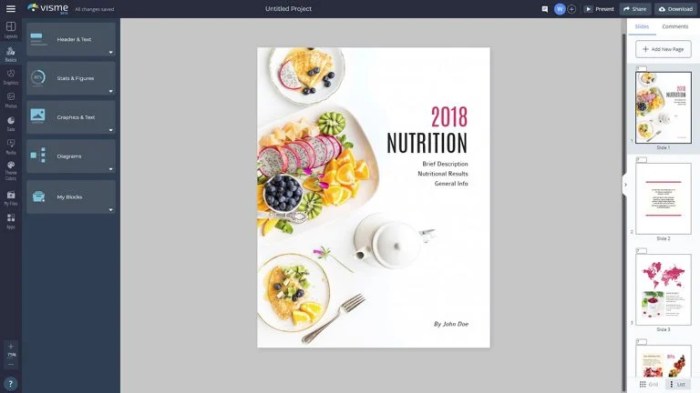
When it comes to creating an e-book, design and formatting play a crucial role in attracting readers and providing a pleasant reading experience. An eye-catching cover design can make your e-book stand out among the competition and entice potential readers to click on it. Additionally, proper formatting ensures that your content is presented in a clear and organized manner, making it easier for readers to navigate through the e-book.
Importance of an Eye-Catching Cover Design
An eye-catching cover design is the first thing that potential readers see when browsing for e-books. It serves as the first impression of your work and can significantly impact whether someone decides to read your e-book or not. A well-designed cover can convey the tone and genre of your e-book, making it more appealing to your target audience. Remember, people do judge a book by its cover, so investing time and effort into creating a visually appealing design is essential.
Formatting Options for E-Books
There are several formatting options available for e-books, with PDF and ePub being two popular choices. PDF (Portable Document Format) is widely used and ensures that your e-book looks the same across different devices. On the other hand, ePub (Electronic Publication) is a format specifically designed for e-books and offers a more dynamic reading experience, allowing readers to adjust the font size and layout according to their preferences.
Consider your target audience and the type of content you have when choosing the right format for your e-book.
Tips for Enhancing Readability with Visuals, Fonts, and Layout
- Use high-quality visuals to complement your content and break up text-heavy sections. Images, infographics, and illustrations can help engage readers and enhance their understanding of the material.
- Choose easy-to-read fonts that are suitable for digital screens. Avoid fancy or overly decorative fonts that may be difficult to read on e-book readers or mobile devices.
- Pay attention to the layout of your e-book, ensuring that there is enough white space between text and images. A cluttered layout can make it challenging for readers to focus on the content.
- Utilize headings, subheadings, and bullet points to organize information and make it easier for readers to scan through the e-book. This improves readability and helps readers find specific sections quickly.
- Test your e-book on different devices to ensure that the formatting remains consistent and that the visuals appear as intended. This will help you identify any issues and make necessary adjustments before publishing your e-book.
Publishing and Distribution
When it comes to publishing and distributing your e-book, there are various platforms available to help you reach a wider audience. Additionally, understanding the differences between self-publishing and traditional publishing can impact your overall strategy. Let’s explore these aspects further.
Different Platforms for Publishing E-Books
- Amazon Kindle: Amazon’s Kindle Direct Publishing (KDP) platform is a popular choice for self-publishing e-books. It allows authors to easily upload their content and reach a vast audience of Kindle users.
- Apple Books: Apple’s platform offers a seamless way to publish and distribute e-books to Apple users around the world. It provides a user-friendly interface for authors to showcase their work.
- Barnes & Noble Press: This platform caters to e-book authors looking to reach a diverse audience of readers. It offers tools for authors to design and promote their e-books effectively.
Self-publishing vs. Traditional Publishing
- Self-publishing: With self-publishing, authors have full control over the publishing process, from content creation to distribution. This route allows for higher royalties but requires authors to handle marketing and promotion themselves.
- Traditional publishing: Traditional publishing involves working with a publishing house that takes care of editing, design, and distribution. While authors may receive an advance, royalties are typically lower, and the process can be more competitive.
Marketing and Promoting Your E-Book
- Utilize social media platforms like Facebook, Instagram, and Twitter to create buzz around your e-book. Engage with potential readers and build a community around your work.
- Offer promotional discounts or free giveaways to attract more readers and generate word-of-mouth marketing. Encourage satisfied readers to leave reviews to boost credibility.
- Collaborate with influencers or bloggers in your niche to reach a broader audience. Guest posting, interviews, and collaborations can help increase visibility for your e-book.
Conclusion
In a world where digital content reigns supreme, mastering the art of creating e-books opens doors to endless possibilities. Start your e-book creation journey today and watch your ideas transform into captivating digital masterpieces!
Answers to Common Questions
How long should an e-book be?
An e-book can vary in length, but most successful ones are between 10,000 to 50,000 words depending on the genre and target audience.
Can I use images in my e-book?
Yes, using visuals can enhance your e-book’s appeal. Just ensure you have the rights to use the images or create your own to avoid copyright issues.
Do I need to hire a designer for my e-book cover?
While it’s not necessary, a professionally designed cover can make a big impact. You can also use online tools to create your own eye-catching cover.