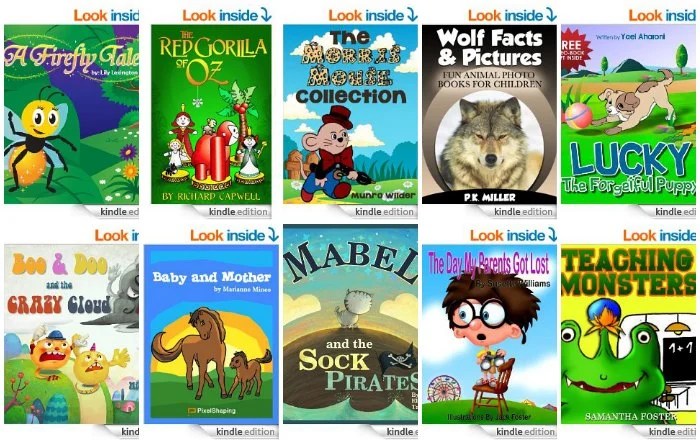
Embark on an exciting journey through the world of E-books for children, where learning meets fun in every digital page turned. From interactive features to educational benefits, get ready to explore the wonders of E-books tailored for young readers.
Discover how these digital gems are revolutionizing the way children engage with stories and knowledge, making learning an immersive experience like never before.
E-BOOKS
E-books, short for electronic books, are digital versions of traditional books that can be read on electronic devices such as computers, tablets, and e-readers. They differ from physical books in that they do not require paper, ink, or any physical storage space. Instead, e-books are stored electronically and can be easily accessed and read anytime, anywhere.
Benefits of E-books for Children
- E-books are interactive and engaging, often including multimedia elements such as animations, audio, and interactive games that can enhance the reading experience for children.
- They are easily portable, allowing children to carry multiple books with them in a single device, making it convenient for travel or on-the-go reading.
- E-books can cater to different learning styles and preferences, with options to adjust font size, background color, and audio narration for accessibility.
- They are eco-friendly, as they eliminate the need for paper production and reduce carbon footprint associated with physical book publishing.
Popular E-book Platforms for Children
- Amazon Kindle Kids
- Epic!
- Apple Books
- Google Play Books
IMPORTANCE OF E-BOOKS FOR CHILDREN

E-books play a crucial role in early childhood education by offering a digital platform for learning and exploration. They provide interactive and engaging content that can help improve children’s literacy skills while making the learning process more enjoyable.
E-books in Early Childhood Education
E-books in early childhood education serve as valuable tools for introducing children to the world of reading and learning. Through colorful illustrations, animations, and interactive features, e-books capture children’s attention and foster a love for reading from a young age.
- E-books can help children develop their vocabulary and language skills through interactive storytelling and word recognition activities.
- Interactive e-books can cater to different learning styles, making learning more accessible and engaging for children with diverse needs.
- E-books can be easily customized to suit individual learning paces, allowing children to progress at their own speed and build confidence in their reading abilities.
Improving Children’s Literacy Skills
E-books can significantly contribute to improving children’s literacy skills by offering a variety of reading materials in a digital format. With features like audio narration, highlighting text, and interactive games, e-books provide a multi-sensory reading experience that enhances comprehension and retention.
- Interactive e-books can help children practice reading fluency and comprehension skills through interactive quizzes, puzzles, and activities.
- Children can explore new genres and topics through e-books, expanding their knowledge and fostering a lifelong love for reading.
- E-books can support struggling readers by offering audio support, pronunciation guides, and other interactive features that aid in understanding and engagement.
Interactive and Engaging Learning Experience
E-books make learning more interactive and engaging for children by incorporating multimedia elements and interactive features that capture their attention and stimulate curiosity. By combining text, images, audio, and videos, e-books create a dynamic learning environment that encourages exploration and discovery.
- Interactive e-books can provide immediate feedback to children, reinforcing learning concepts and promoting active participation in the learning process.
- E-books can enhance children’s critical thinking and problem-solving skills through interactive puzzles, games, and simulations that challenge their cognitive abilities.
- Children can engage with e-books in a personalized and immersive way, creating a sense of ownership and empowerment in their learning journey.
FEATURES OF E-BOOKS FOR CHILDREN
E-books for children come with a variety of interactive features that make the reading experience more engaging and entertaining. These features set them apart from traditional books and cater to the digital age in which children are growing up.
Interactive Features
- Animations: E-books often incorporate animations to bring characters and stories to life. These animated elements can make the story more visually appealing and captivating for young readers.
- Audio: Many e-books for children include audio features such as sound effects, music, and narration. This can help children with reading difficulties or those who prefer auditory learning styles.
- Interactivity: E-books may include interactive elements like touch-screen activities, games, quizzes, and puzzles. These interactive features not only entertain children but also promote learning and critical thinking skills.
Multimedia Elements Comparison
E-books offer a multimedia experience that traditional books cannot match. While traditional books rely solely on text and illustrations, e-books combine text with animations, audio, and interactivity to create a more immersive reading experience. Children can engage with the content in a dynamic and personalized way, enhancing their understanding and enjoyment of the story.
Enhanced Reading Experience
E-books leverage animations, audio, and interactivity to enhance the reading experience for children. By incorporating these elements, e-books can capture children’s attention, stimulate their imagination, and encourage them to explore the story in a more interactive manner. This interactive approach not only makes reading more fun but also helps children develop digital literacy skills in today’s technology-driven world.
GUIDELINES FOR CHOOSING E-BOOKS FOR CHILDREN
When it comes to selecting e-books for children, parents play a crucial role in ensuring that the content is appropriate, engaging, and educational. Here are some guidelines to help parents choose the right e-books for their children:
Age-Appropriate Selection
It is essential to choose e-books that are suitable for your child’s age group. Look for e-books that are specifically designed for the age range of your child to ensure that the content is developmentally appropriate.
Content Quality and Educational Value
When selecting e-books for children, prioritize content quality and educational value. Choose e-books that offer enriching and meaningful content, such as stories that promote positive values, educational books that enhance learning, and interactive e-books that encourage critical thinking skills.
Accessibility and Usability
Consider the accessibility and usability of the e-books for children. Ensure that the e-books are user-friendly, with features like easy navigation, interactive elements, and engaging visuals. Additionally, choose e-books that are accessible on various devices to accommodate different learning preferences.
Closing Notes
In conclusion, E-books for children offer a dynamic avenue for learning that combines education with entertainment, paving the way for a new era of interactive literacy. Dive into this digital realm and watch as young minds flourish in the captivating world of E-books.
FAQ Corner
Are E-books suitable for all age groups of children?
While some E-books are designed for specific age ranges, there are a variety of options available to cater to different developmental stages, ensuring there’s something suitable for every child.
How can parents ensure the safety of their children while using E-books?
Parents can supervise their children’s E-book usage, set guidelines for screen time, and choose platforms that offer child-friendly content and secure browsing environments.
Do E-books impact children’s reading habits in comparison to physical books?
E-books can complement traditional reading habits by providing a tech-savvy approach to storytelling, offering a different but equally valuable reading experience for children.